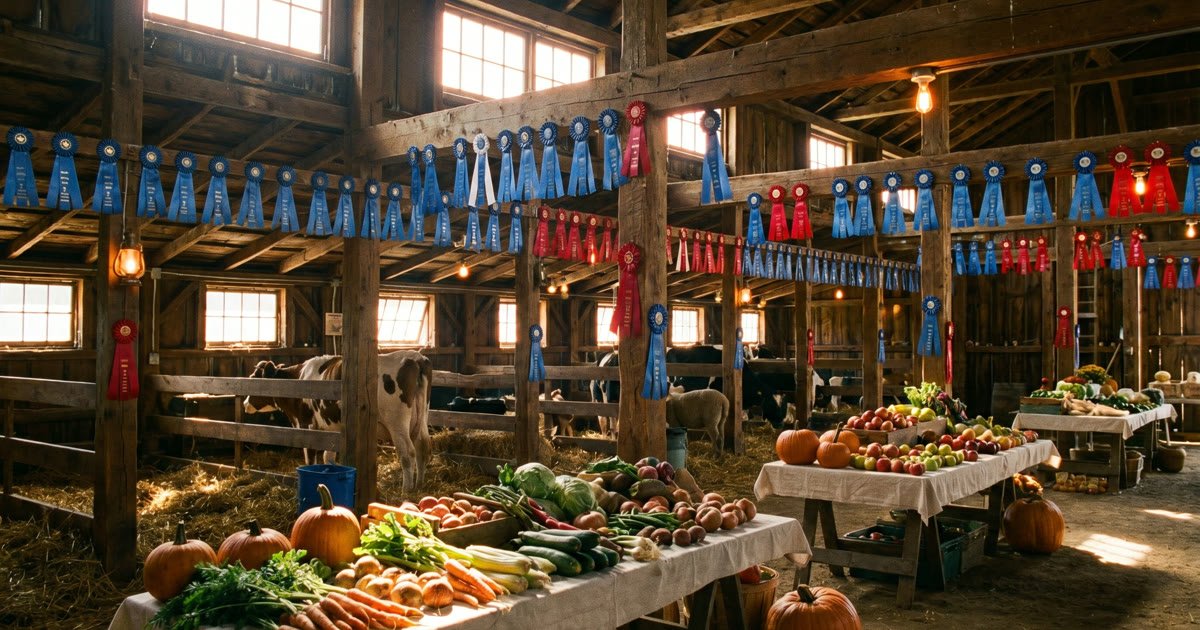
Topsfield Fair in Essex County and Three County Fair in Northampton both date to 1818. The fairs below are grouped by region, each with a program mixing livestock judging, exhibits, ox pulls, demolition derbies and a carnival midway. Every fair below except Topsfield had ended by October 4.
Western Massachusetts
Cummington Fair (August 27 to 30) in Hampshire County and Blandford Fair (September 4 to 7) in Hampden County were the hill-town pair, and both charged $12 for adults. Cummington had horse and ox pulls, a midway, a fair-food row and a skillet toss. Blandford had ox and horse draws, a woodsmen's field day and agricultural exhibits.
The other two $12 fairs were in Northampton and Greenfield. Three County Fair in Northampton was listed for September 4 to 7 (dates not confirmed) with livestock shows, a professional rodeo, a craft hall and carnival rides. Franklin County Fair (September 10 to 13) dates to 1848 and had the Roundhouse exhibit hall, a demolition derby and grandstand entertainment at the Greenfield fairgrounds.
Central Massachusetts
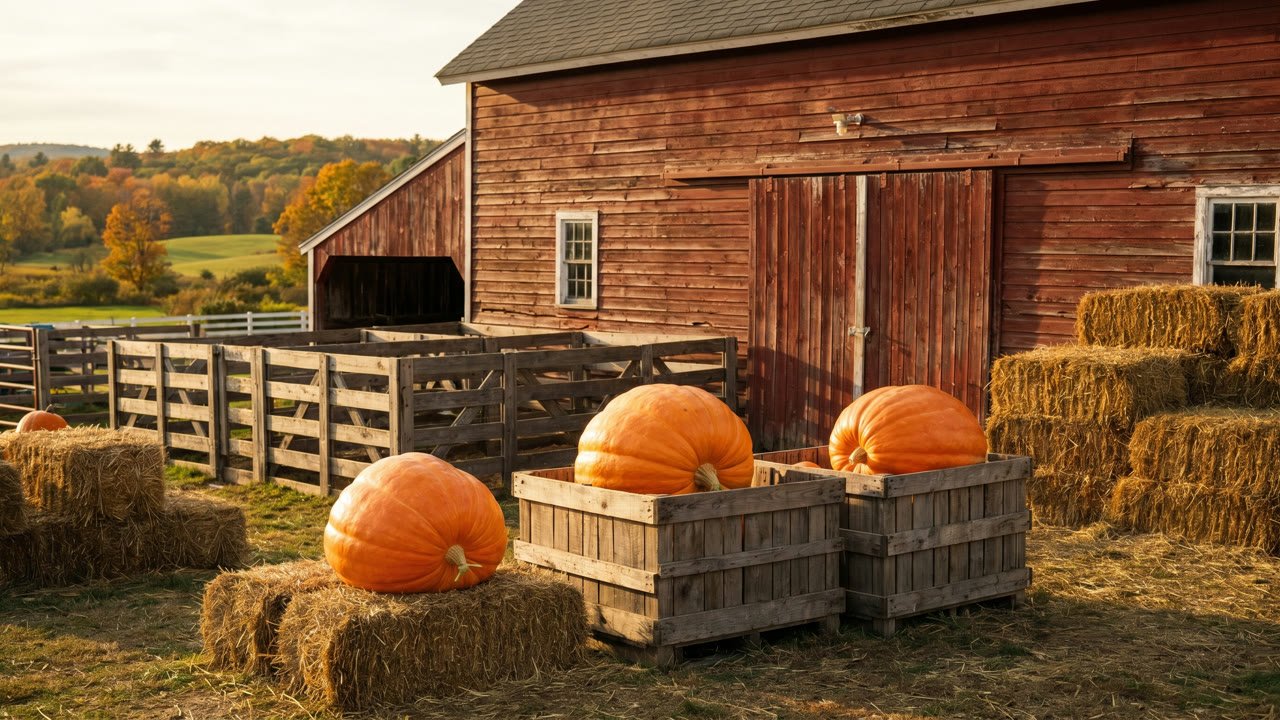
Hardwick Fair (August 14 to 15) was free and held on Hardwick Common. Neither the free admission nor the 1762 start has been verified. The program had an ox draw, a baby show, agricultural exhibits and a chicken barbecue. Bolton Fair (August 14 to 16) charged $12 for adults and had livestock and poultry shows, a giant pumpkin weigh-off, craft and baking competitions and carnival rides.
Spencer Fair (September 4 to 7) charged $18 for adults, the most of the three central Massachusetts fairs here, and had ox draws, a demolition derby, agricultural competitions and carnival rides.
Southeast Massachusetts and Cape Cod
The southeastern season started in July with Westport Fair, which was listed for July 15 to 19 (dates not confirmed) with oxen pulls, horse shows and midway attractions. On the South Shore, Marshfield Fair (August 21 to 30) dates to 1867, charged $12 for adults and had a demolition derby and agricultural exhibits.
On Cape Cod, the Barnstable County Fair in Falmouth had tentative dates of July 18 to 24, which were not confirmed, and was listed with carnival rides, a petting zoo, concerts, a demolition derby and agricultural exhibits. On Martha's Vineyard, the Martha's Vineyard Agricultural Fair in West Tisbury dates to 1862 and was listed with a woodsmen's contest, fiddle contests, hall exhibits and a Ferris wheel; its August 20 to 23 dates were unconfirmed.
Sandwichfest (October 3) was a free one-day street festival in Historic Sandwich Village.
Topsfield and The Big E
Topsfield Fair (October 2 to 12) is an eleven-day fair with livestock shows and judging, draft animal competitions, the giant pumpkin weigh-off, a carnival midway and Grandstand concerts. The Big E (September 18 to October 4) in West Springfield had a building for each of the six New England states, championship livestock and headline concerts, so the two shared October 2 to 4.