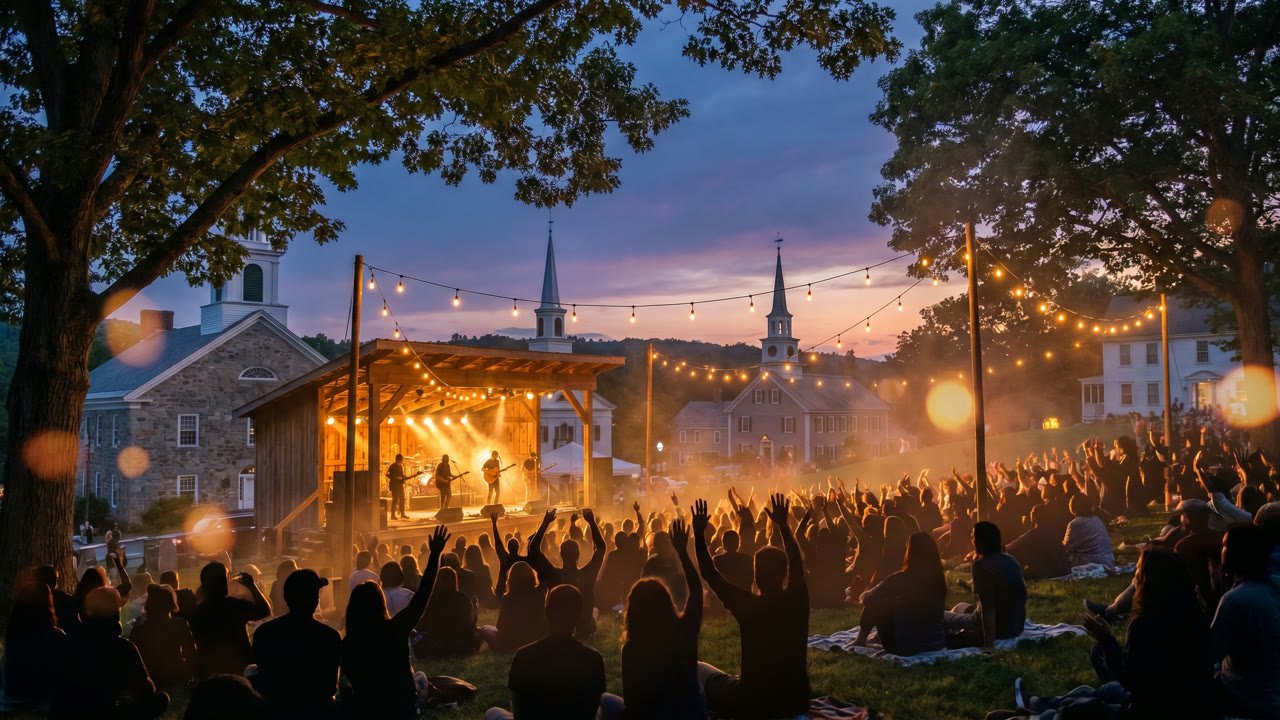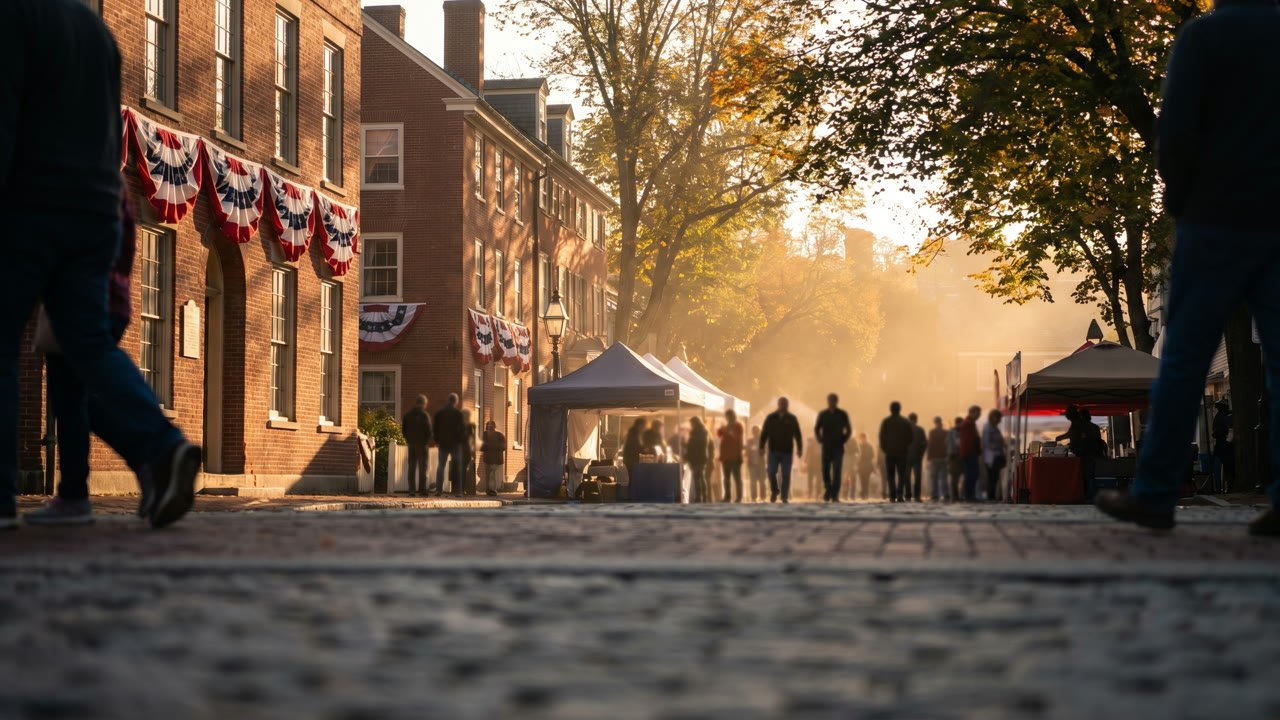
The Lowell Folk Festival took over downtown Lowell on July 24 to 26, 2026, with four stages, free admission, craft demonstrations, a parade, kids' activities and food from nonprofit vendors. The Lowell Festival Foundation is the organizer. Friday opened with the Parade of Flags at 6:15pm from JFK Plaza. Saturday was the longest day, with all four stages running from noon into the evening. The 2026 festival has ended; the details below are what the organizer published for it.
Stages and hours
Friday: concerts at Boarding House Park from 7 to 10:15pm and on Arcand Dr. from 7:15 to 10pm, after the parade. Saturday: St. Anne's Churchyard until 6:45pm, Market Street until 8:45pm, Arcand Dr. until 10pm and Boarding House Park until just after 10pm. Sunday: all four stages closed between 5 and 6pm.
The festival's FAQ names the four venues as the Richard K. and Nancy L. Donahue Stage at St. Anne's, the Saab Family Foundation Stage on Market Street, the Rockland Trust Bank Dance Pavilion on Arcand Dr. and the Boarding House Park stage. Some outside guides describe six stages; the FAQ does not.
Food came from nonprofit organization vendors serving what the festival described as a global lineup of cuisines alongside traditional American options. The Lowell Southeast Asian Water Festival (listed for August 15, not confirmed for 2026) was described as using a similar community-vendor setup, but the two events were listed with separate organizers.
Parking and transit
The figures below are from the festival's directions page. City garages ran $15 to $20 per day. The George Ayotte, Joseph Downes, HCID and Leo Roy garages were $20, and the Lower Locks garage, the Davidson lot and the Edward Early garage were $15. A three-day pass, good from Friday through Sunday at 6pm, was $44 and sold only at the HCID garage. Nine on-street zones charged a flat $5 per visit from 5pm Friday to 5pm Sunday.
The directions page also listed a free LRTA shuttle from the Gallagher Terminal to the festival grounds on all three days, and MBTA commuter rail service into Lowell until nearly 1am each festival night.
History, attendance and size
Secondary write-ups give 1987 as the founding year. The festival's FAQ is reported to trace its roots to the touring National Folk Festival, followed a few years later by a local annual event, so a single founding year simplifies a longer history.
Attendance estimates run from just over 100,000 to 200,000, depending on the source and the year. The festival publishes no figure for 2026 or any other year. Some sources call it the largest free folk festival in the United States and others the second largest, behind Seattle's Northwest Folklife. The festival's homepage describes it as a free summer tradition and makes neither claim.
Other events
Yankee Homecoming in Newburyport started on July 25, the day after the Lowell festival opened, and Amesbury Days ended on July 4. Topsfield Fair (October 2 to 12) came later, in Essex County.